Population Health Weekly


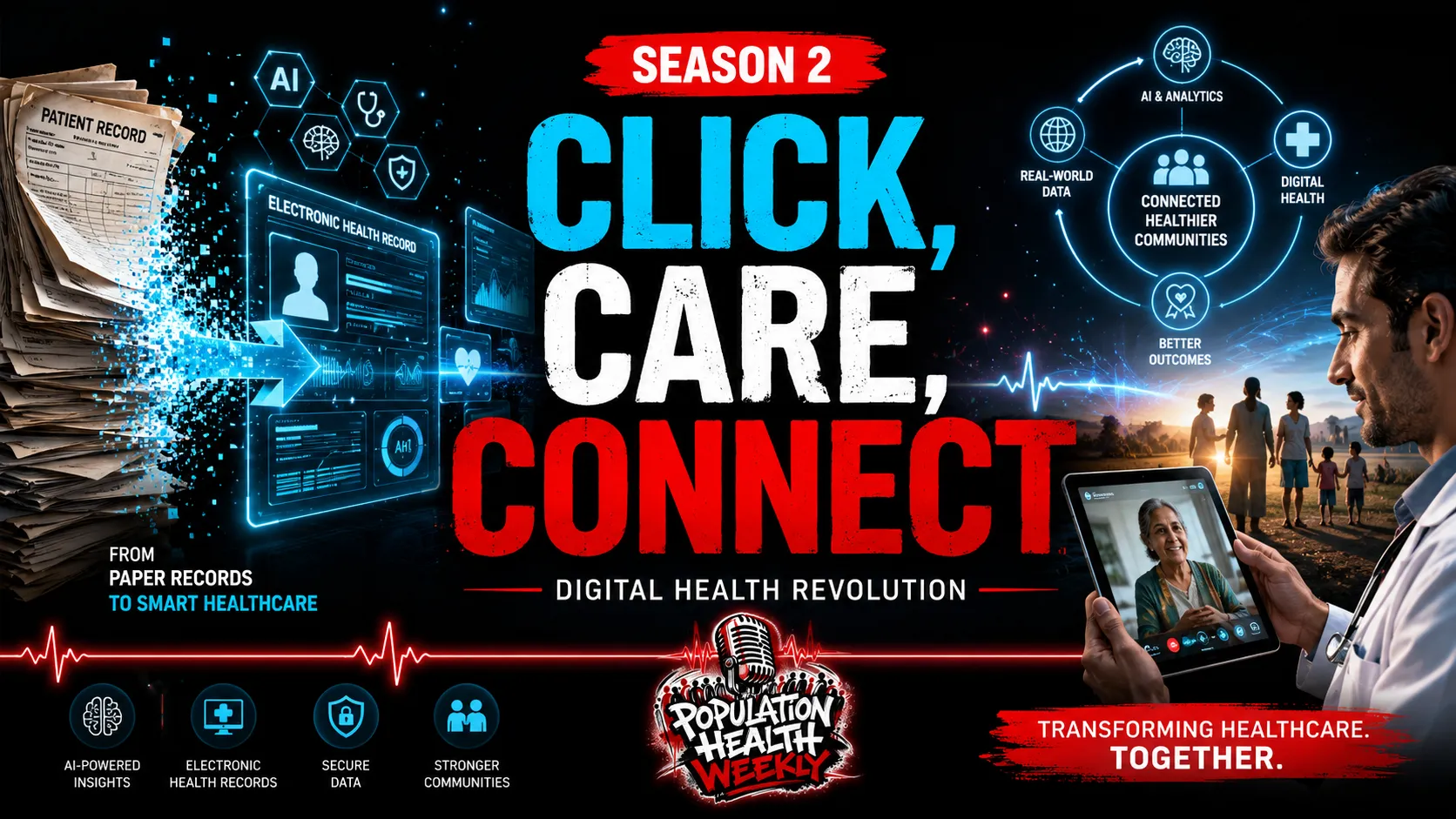
Season 2
Click, Care, Connect
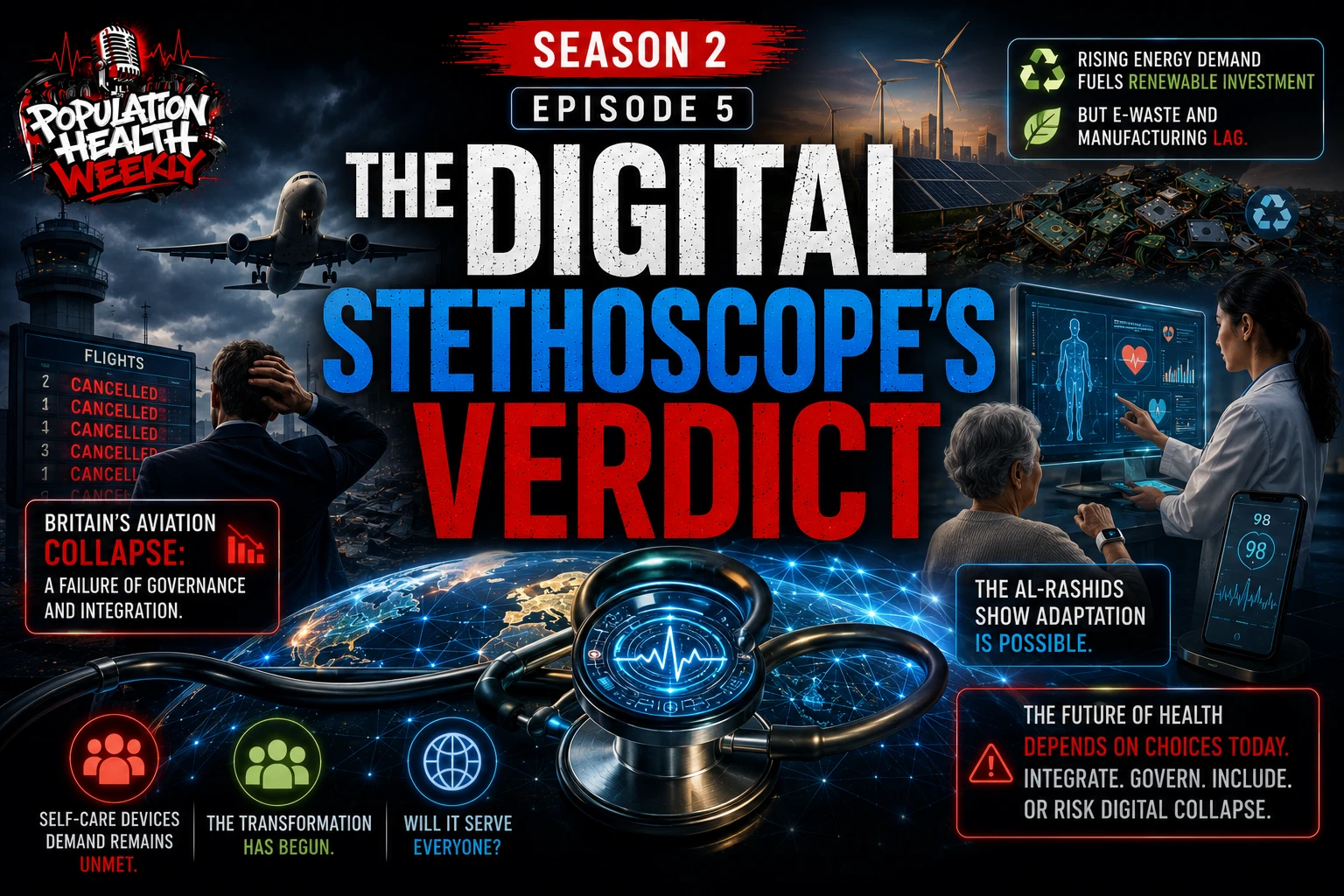
Britain’s aviation collapse was a failure of governance and integration. Digital health faces the same risk—but the Al‑Rashids show adaptation is possible. Rising energy demand is spurring renewable energy investment, yet e‑waste and manufacturing culture lag. Demand for equitable self‑care devices remains unmet. The transformation has begun. Will it serve everyone?
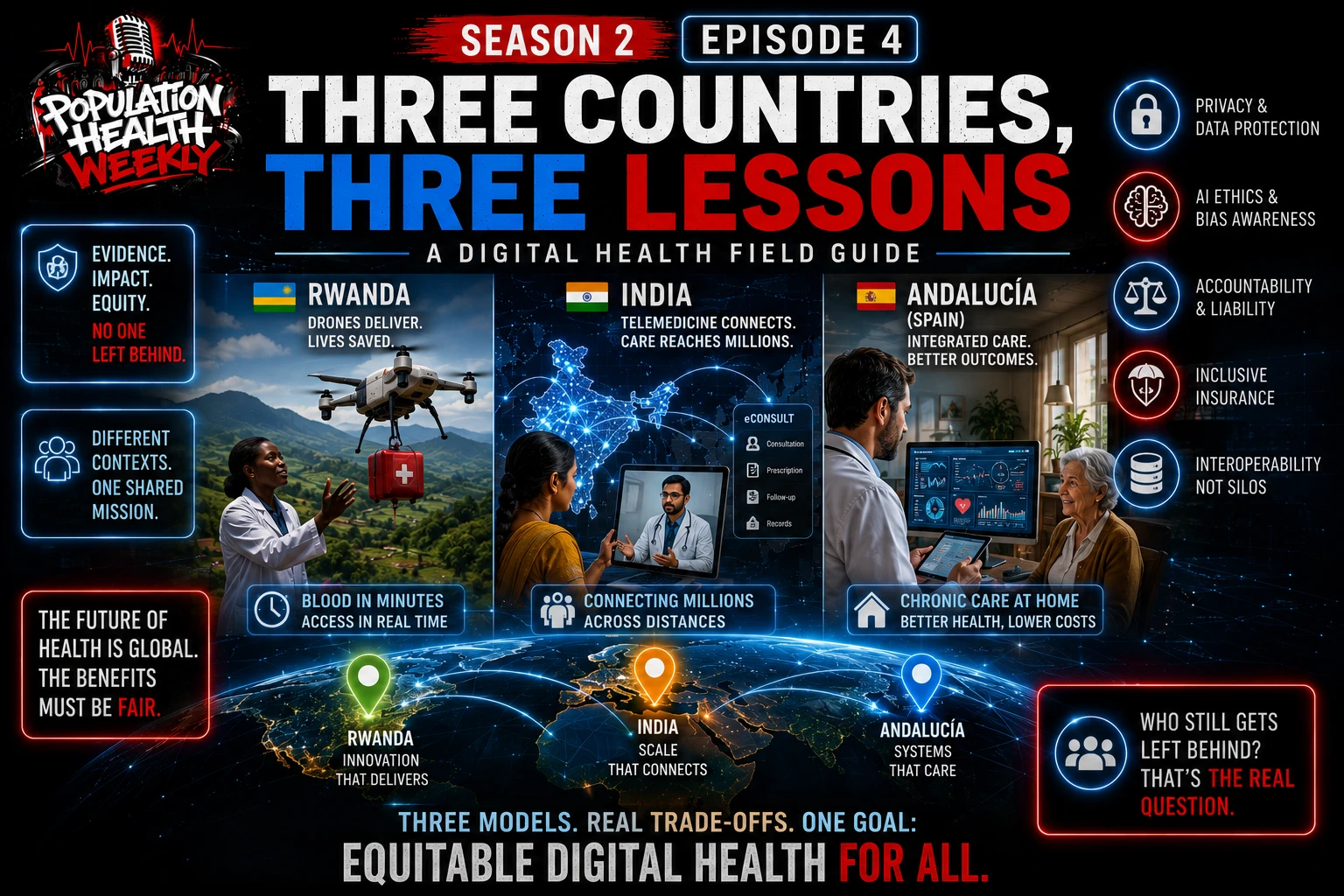
Rwanda’s drones deliver blood in minutes. India’s telemedicine platform connects millions. Andalucía’s integrated network keeps chronic patients at home. Each succeeds—each has trade‑offs. Who still gets left behind? Evidence from the field.
Listen, apply, and adapt.
Also includes Erin Rodgers’ verdict on the observer who went across continents evaluating the three health projects. And then she shines her Spotlight on a long sunny Friday.
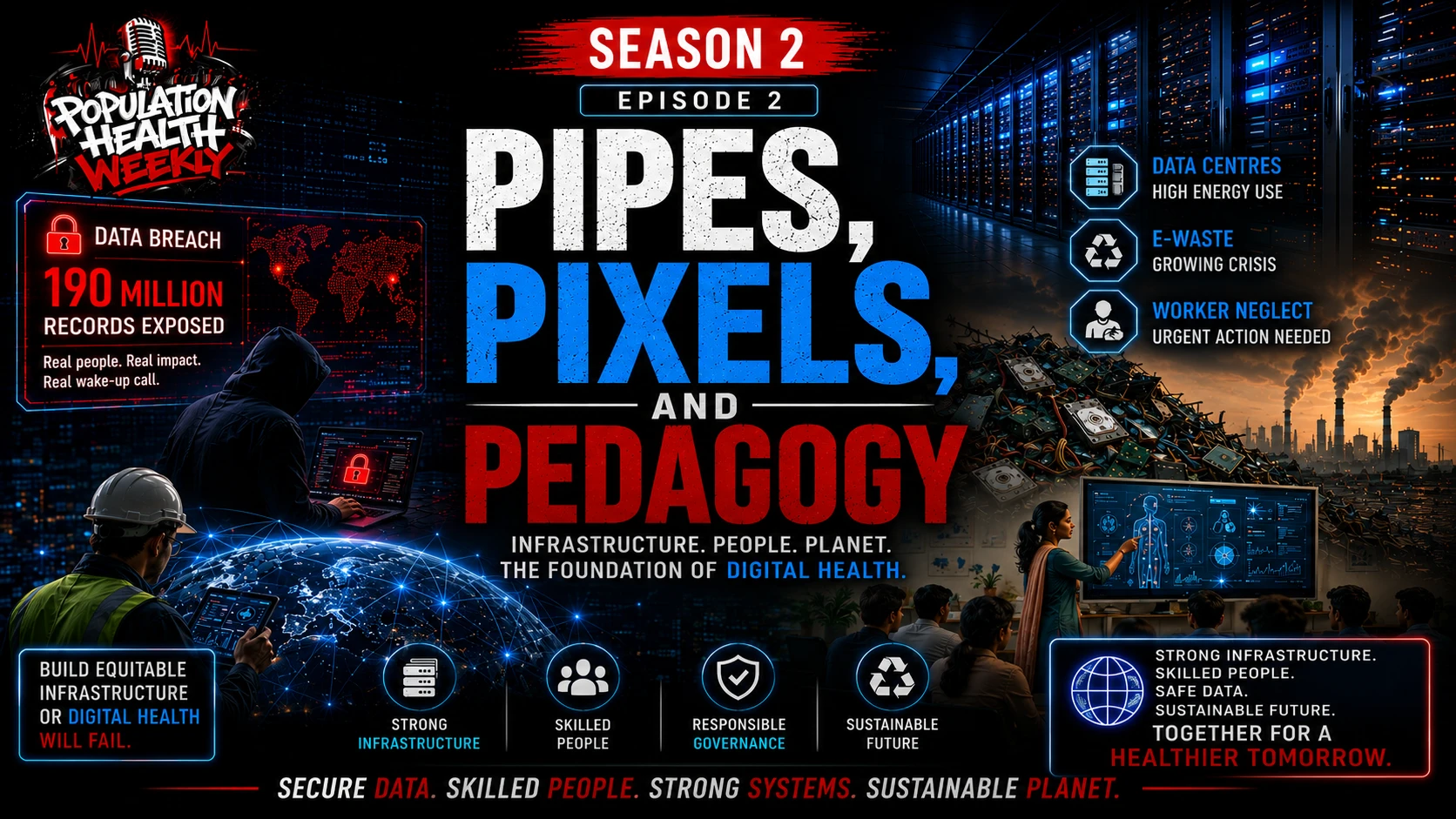
A healthcare data breach exposed 190 million records. Why? Infrastructure is not just servers—it’s data centres, networks, and people. But data centres consume resources, generate e‑waste, and outpace retraining. The governance gap that enables breaches now fuels toxic waste and worker neglect. Build equitable infrastructure—or digital health fails.
And Erin Rodgers brings back The Triad, the collection of three biomedical updates, after three weeks, with three keywords!
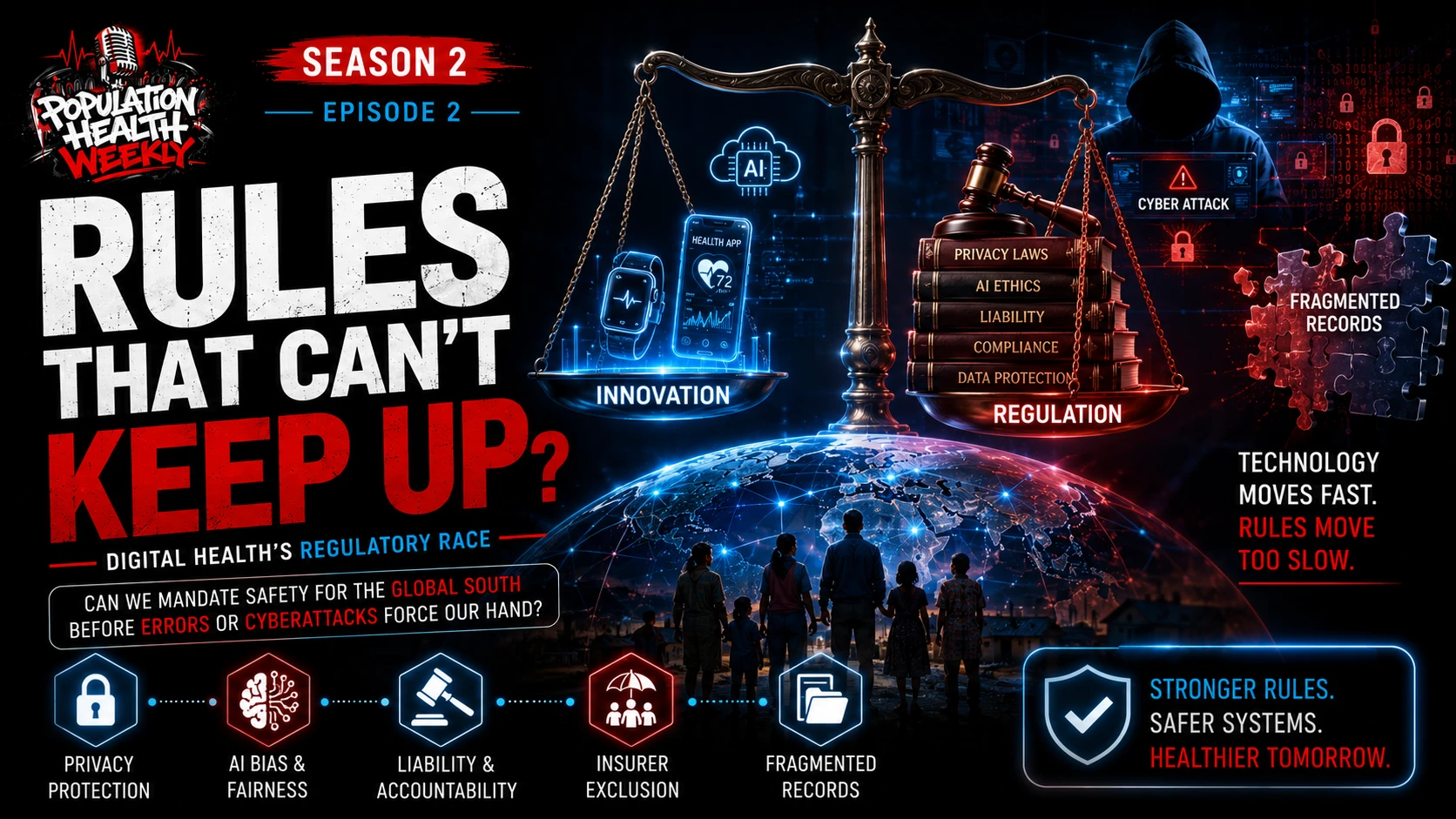
Seatbelts proved fitting technology isn’t enough. We dissect digital health’s regulatory race: privacy, AI bias, liability, insurer exclusion, and fragmented records. Can we mandate safety for the Global South before errors or cyberattacks force our hand?
And as always, Erin Rodgers shines the Spotlight on the dark epidemic of sleeplessness and the enormous costs we’re all paying for it.
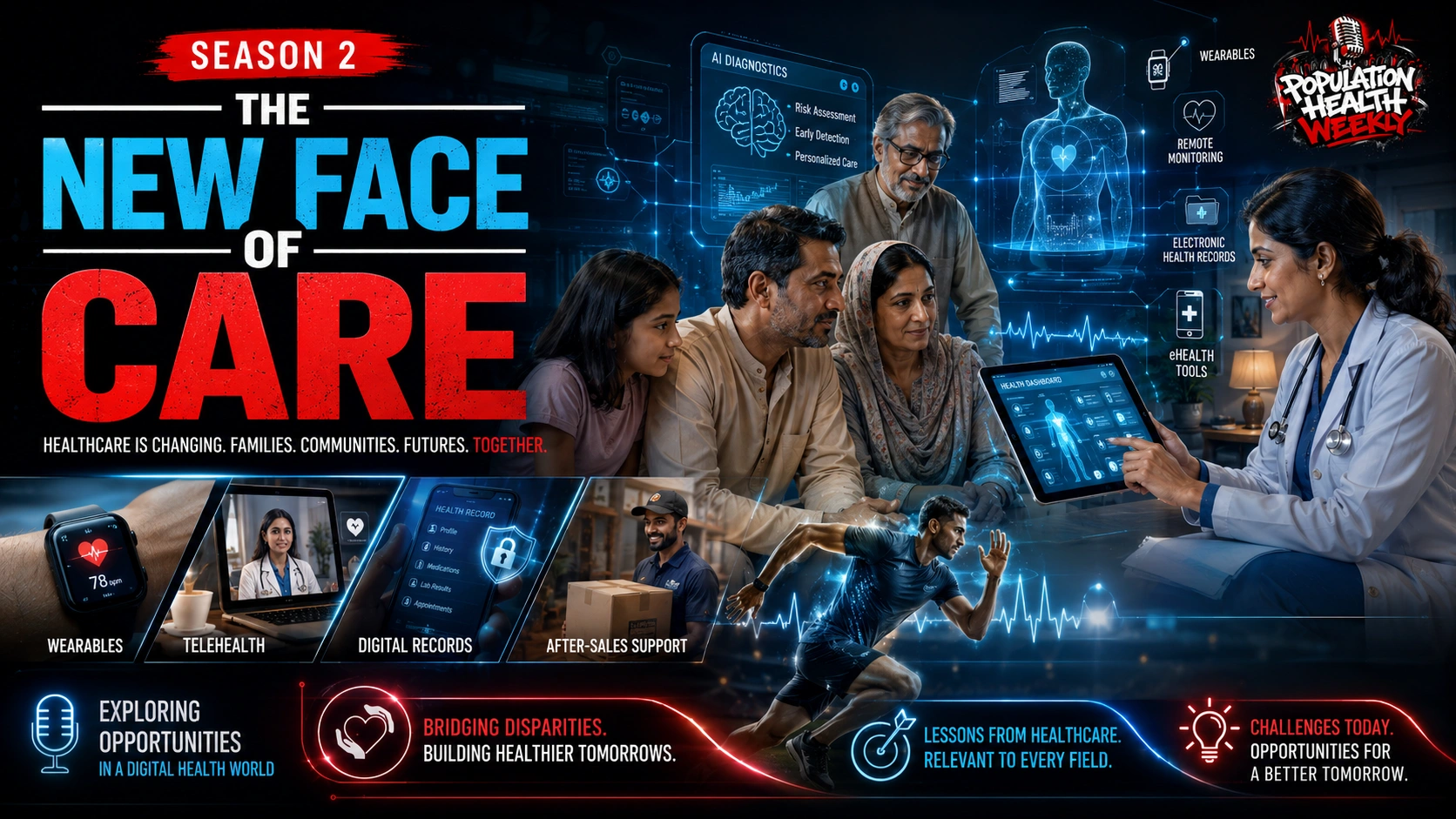
We accompany a semiurban family as they face various aspects of healthcare being digitalized rapidly. This is an unprecedented and little-documented shift happening while health disparities and disproportionate disease burdens were already at all time high. The change is irreversible as new medical vocabulary and commercial realities have emerged. AI diagnostics, wearables, electronic health records, remote monitoring, after-sales service quality, and eHealth tools. Lets identify key players with their comparative advantages and disadvantages, and whether a challenge today can be converted into a historic opportunity. The question is equally relevant to professional sports.
And cohost Erin Rodgers introduces the segment The Dispatch, completing the editorial circle with expert advice on prevention of fall among elderly.
Season 1
The Rise and Rise of the Elderly
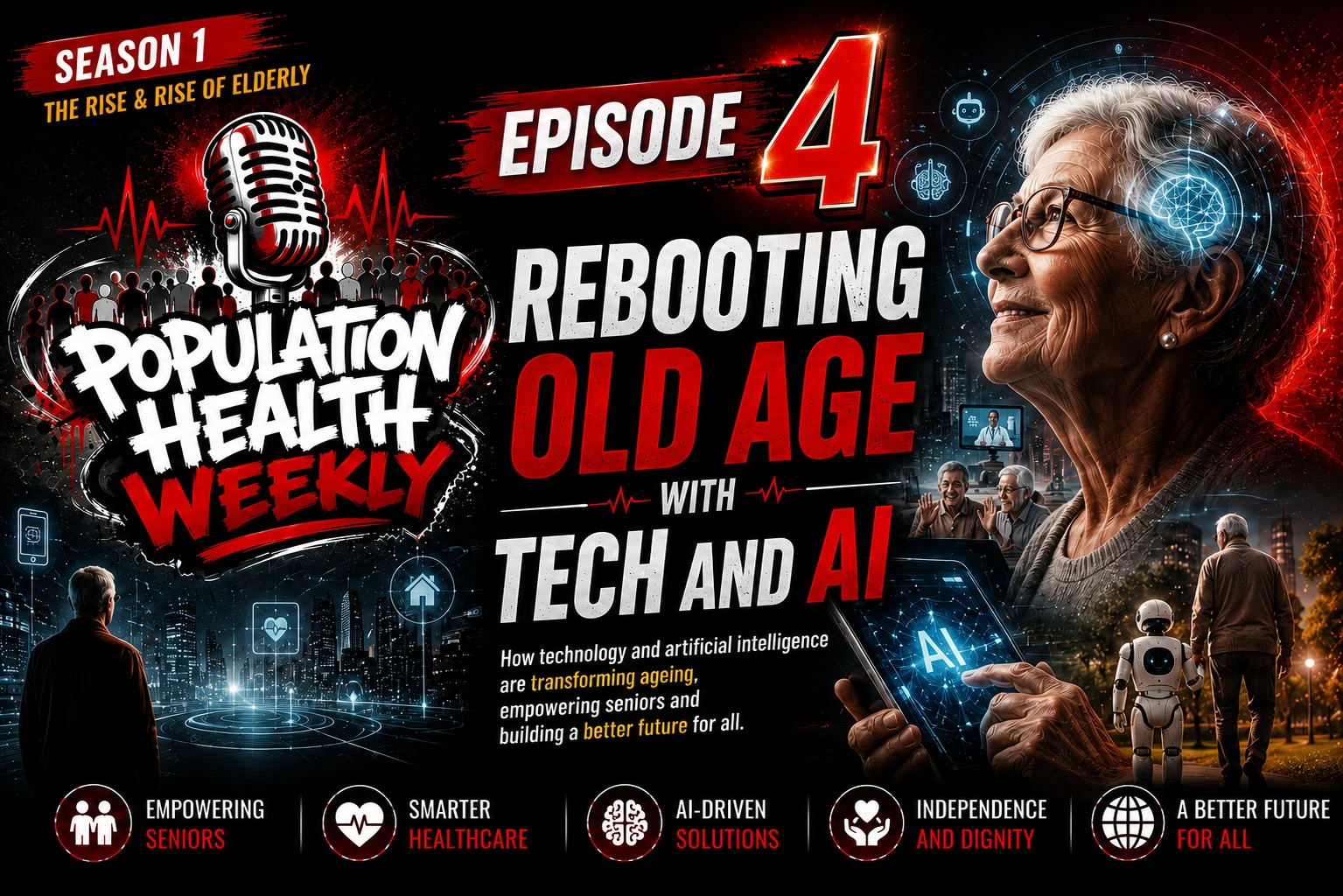
This finale confronts the high‑stakes dilemma: human control vs autonomous algorithms in elderly care. In low‑income regions with weak oversight, AI without empathy threatens to isolate, not rescue.

The third episode of our ongoing series is all about courage and conscientiousness that solves global health problems in a timely manner. Back in 2001, Jamie Love from USA ended up in India with Dr Yusuf Khwaja Hamied, Head of Cipla, a leading Indian generic drug manufacturer.
What followed, as they say, has been the history. This is a tale worth telling as we analyze the access to affordable drugs in this episode of The Rise And Rise of the Elderly. Also, we uncover the secret of successful pharmaceutical manufacturing in India that not just works for its public but also helps prepare against newer diseases. No wonder Dr Yusuf Khwaja Hamied has been widely known as “Robin Hood of Pharma”.
Enjoy our official soundtrack and intro “Icebreaker” & don’t forget to subscribe for upcoming weekly expert global health insights on every Friday.
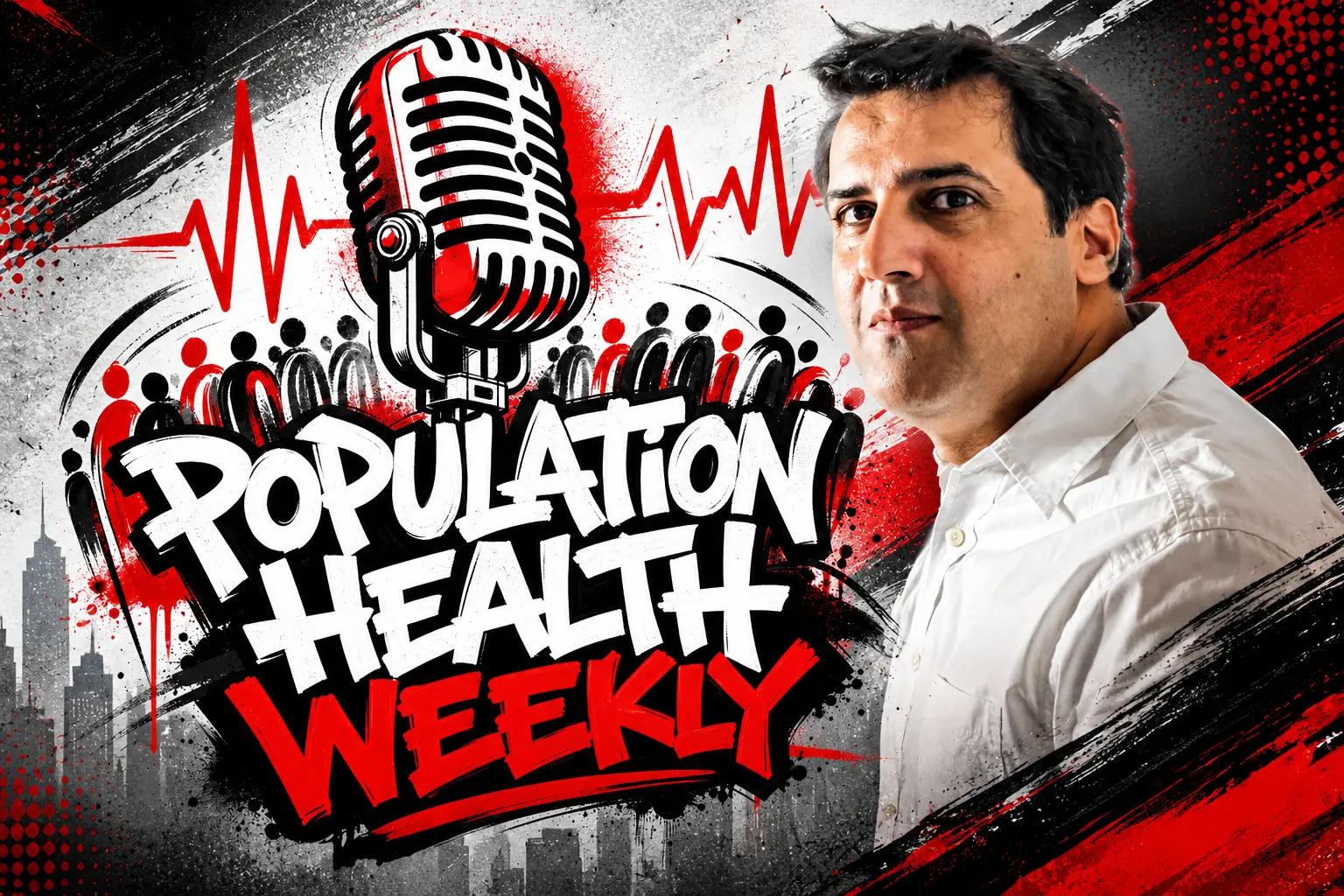



Shehnoor Azhar & Nikolai Petrovsky featured in a series of discussions on global health issues under the banner of Conversations. They connected the history of interesting topics to the present, hence offering unique generational perspectives. The entire series was our very first and remains available on Global Health Online, our YouTube Channel.
Professor Nikolai Petrovsky is a physician scientist with a passion for vaccine and artificial intelligence research. He is Professor of Immunology and Infectious Disease at the Australian Respiratory and Sleep Medicine Institute in Adelaide and Research Director at Vaxine Pty Ltd, a leading Australian biotechnology company. He is best known for his development of SpikoGen®/Covax-19, the first licensed protein-based COVID-19 vaccine. With 8 million doses delivered in the Middle East, SpikoGen® is estimated to have saved tens of thousands of lives from COVID-19. He is also the creator of many adjuvants including Advax and CpG55.2, the first licensed human product to be created by artificial intelligence. He can be contacted through his LinkedIn page.
LIVE & ON DEMAND
Voices That Heal the World
Expert-led conversations at the intersection of epidemiology, digital health & global equity. Every episode is grounded in the latest WHO, Lancet & CDC evidence translated into insight you can act on.
WHY LISTEN TO IDEAS ?
Health Knowledge That Actually Moves Needles
With 619 million podcast listeners globally and health & fitness comprising 18% of all content consumed, your ears are already tuned to learning. We just make that learning count.
Evidence Based, Always
Every episode cites peer-reviewed journals Lancet, NEJM, BMJ, and WHO reports. No speculation, no misinformation. Pure science translated into plain language.
Global Expert Network
Our guests include epidemiologists, public health officers, WHO consultants, and community health workers from over 40 countries perspectives that rarely appear in mainstream media.
Bilingual: English & Español
Serving both English and Spanish-speaking communities because health equity starts with language accessibility. Subscribe in your preferred language.
Video & Audio Formats
Available as video podcasts on YouTube and audio-only on Spotify & Apple Podcasts. 51% of Americans now watch their podcasts we meet you where you are.
What We Cover
Six Pillars of Global Health
Every episode maps to one of our six research areas grounded in WHO priorities and Lancet Commission findings.
Disease & Infection Control
Every episode cites peer-reviewed journals Lancet, NEJM, BMJ, and WHO reports. No speculation, no misinformation. Pure science translated into plain language.
Health Promotion & Self-Care
Practical tools for communities: nutrition, physical activity, mental health literacy, and behavior change communication.
Clinical Research
Translational medicine made accessible — clinical trial design, biomarker discovery, and bridging bench science to bedside care.
Resilience & Preparedness
Health system strengthening, emergency response frameworks, and community resilience strategies for an uncertain future.
Program Development
Designing, funding, and scaling public health interventions — M&E frameworks, impact measurement, and SDG alignment.
eHealth & Digital Medicine
AI diagnostics, telemedicine, health data governance, and the digital divide in healthcare — are we widening or closing the gap?
Grounded in Peer Reviewed Evidence
IDEAS Podcasts are produced from deep research on global health. Our editorial standards match those of academic publishing and every claim is sourced, every guest is vetted.
Referenced sources include: WHO, Lancet Commission, NEJM, BMJ, CDC, Global Burden of Disease Study, WEF Health Reports, and more.
Never Miss a Vital Episode
Join 8,400+ health professionals, students & advocates receiving new episode alerts every week.